Advertisements
Ever wondered why German cars feel like precision machines, while Japanese cars seem to run forever without breaking down? It’s not just brand magic — it’s philosophy, culture, and decades of engineering evolution.
Let’s dive into the fascinating world of German and Japanese automotive technologies, uncover their strengths, and see how they’ve shaped the cars we love today. Whether you’re a car buyer, an auto enthusiast, or just curious about what makes BMW and Toyota so different, this guide is for you.
🧠 The Mindset Behind the Machines
Before we talk engines and gearboxes, let’s look at how each country thinks about cars.
🇩🇪 German Philosophy: Precision and Performance
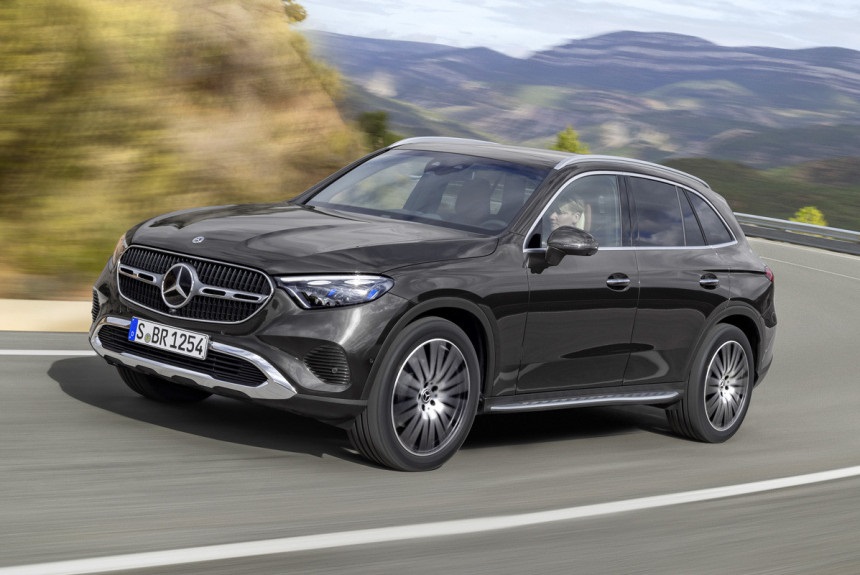
German automakers — think BMW, Mercedes-Benz, Audi, Porsche, and Volkswagen — design with engineering perfection in mind. Every bolt, curve, and sound is calculated for maximum performance, handling, and luxury.
They focus on:
- High-speed stability (Autobahn culture!)
- Advanced suspension systems
- Driver-focused technology
Example:
BMW’s xDrive system adjusts torque between wheels in milliseconds for flawless control. It’s not just driving — it’s feeling connected to the road.
Benefit: You get cars built for enthusiasts who love precision, control, and power.
🇯🇵 Japanese Philosophy: Reliability and Efficiency
Meanwhile, Japanese carmakers — like Toyota, Honda, Nissan, Mazda, and Subaru — focus on simplicity, efficiency, and longevity.
They prioritize:
- Low maintenance
- Fuel economy
- Durability under daily use
Example:
The Toyota Corolla and Honda Civic regularly hit 300,000 miles without major issues — that’s not luck, that’s engineering for reliability.
Benefit: You get vehicles that are affordable, dependable, and built to last for decades.
⚙️ Engine Technology: Power vs Practicality
German Engines: Performance is the Priority
German brands invest heavily in turbocharging, direct injection, and performance tuning.
Their engines are designed to deliver torque at all speeds and maintain stability even at 200 km/h+.
Example:
Mercedes-AMG and Audi’s Quattro systems dominate in power and precision. These engines are masterpieces of engineering craftsmanship, built for those who enjoy spirited driving.
Benefit: You experience thrilling acceleration, top-tier responsiveness, and superior control.
Japanese Engines: Efficiency Meets Innovation
Japanese engines emphasize fuel efficiency, lightweight design, and eco-friendly performance.
Their secret weapon? Hybrid and electric innovation.
Example:
Toyota pioneered hybrid tech with the Prius, while Mazda’s SkyActiv engines deliver impressive power with minimal fuel use.
Benefit: You save on fuel costs, reduce emissions, and enjoy smooth, long-lasting performance.
🧩 Technology and Innovation
German Cars: High-Tech and Driver-Centric
Germans are known for pushing the limits of automotive software, safety, and connectivity.
From adaptive cruise control to virtual cockpits, they integrate cutting-edge tech into luxury design.
Examples:
- Audi’s Virtual Cockpit (digital dashboard display)
- Mercedes’ MBUX infotainment system with AI voice control
- BMW’s iDrive and gesture control
Benefit: You feel like you’re piloting a machine from the future — every drive feels like a high-tech experience.
Japanese Cars: Smart Simplicity
Japanese brands innovate too — but they prefer user-friendly tech that enhances reliability instead of complexity.
They focus on driver assistance, fuel management, and hybrid systems rather than flashy features.
Examples:
- Toyota Safety Sense (automatic braking, lane assist)
- Nissan’s e-Power hybrid tech
- Honda’s Sensing Suite for driver awareness
Benefit: Technology that works seamlessly — not something you need a manual to understand.
🏁 Driving Experience: Precision vs Peace of Mind
German Cars Feel Alive
Drive a Porsche, BMW, or Audi, and you’ll notice — everything feels tight. The steering, the throttle, the sound — all calibrated for driver feedback.
Perfect for enthusiasts who love cornering, high-speed runs, and mechanical perfection.
Downside: Maintenance and repairs can be expensive — but the experience? Unmatched.
Japanese Cars Feel Effortless
Drive a Toyota, Honda, or Mazda, and you’ll feel comfort and ease. The goal isn’t thrill — it’s trust.
The car does exactly what you expect, quietly and efficiently, day after day.
Downside: Less excitement behind the wheel — but unbeatable peace of mind.
🧾 Cost of Ownership: The Practical Perspective
| Category | German Cars 🇩🇪 | Japanese Cars 🇯🇵 |
|---|---|---|
| Initial Price | Higher (luxury design & performance) | Lower (mass-market appeal) |
| Maintenance Costs | Expensive (complex parts, premium service) | Affordable (easy parts, low failure rate) |
| Resale Value | Holds well for luxury models | Very high due to reliability |
| Fuel Efficiency | Moderate | Excellent |
| Longevity | 150,000–200,000 miles | 250,000–300,000 miles |
Advertisements
Verdict:
If you value excitement and engineering, go German.
If you value peace of mind and long-term savings, go Japanese.
🌿 The Future: EVs and Sustainable Mobility
Both nations are reimagining the future of mobility — but their approaches differ.
German Approach: Performance Electric
BMW’s i Series, Audi’s e-tron, and Porsche’s Taycan prove that electric cars can still thrill.
Expect precision handling and luxury at the core — even in an eco-friendly package.
Japanese Approach: Practical Electric and Hybrid
Toyota leads in hybrid evolution, while Nissan’s Leaf remains one of the most popular affordable EVs.
They focus on accessibility, reliability, and long-term sustainability.
Benefit for You: Whether you want luxury or efficiency, both sides now deliver greener options without compromise.
✅ Quick Recap: German vs Japanese Cars
- 🇩🇪 German Cars: Performance, luxury, innovation, driving excitement
- 🇯🇵 Japanese Cars: Reliability, efficiency, affordability, longevity
- ⚙️ German Tech: Turbo power, driver engagement
- 🔋 Japanese Tech: Hybrid systems, fuel savings
- 💰 German Cost: High upfront + premium service
- 💡 Japanese Cost: Low maintenance + better resale value
In short:
Germans build cars you dream about.
Japanese build cars you depend on.
❓ FAQ: German vs Japanese Cars
Q1. Which lasts longer, German or Japanese cars?
Generally, Japanese cars last longer with less maintenance, but German luxury cars age well if serviced regularly.
Q2. Are German cars worth the high maintenance cost?
If you value performance and driving thrill, yes. But for daily commuting, Japanese cars offer better long-term savings.
Q3. Which has better technology — German or Japanese?
German cars lead in driving tech and digital luxury, while Japanese brands lead in hybrid and eco-innovation.
Q4. Which holds resale value better?
Japanese cars usually retain higher resale value due to reliability and lower ownership costs.
🏁 Wrap-Up: Choose the One That Fits Your Lifestyle
At the end of the day, there’s no “winner.” Both German and Japanese automakers excel — just in different ways.
If you crave performance and prestige, go for a German machine.
If you prefer peace of mind and efficiency, stick with Japanese engineering.
🚙 Your turn: Which side are you on — German precision or Japanese reliability?
Share your thoughts or your own car story in the comments below!
Advertisements