Advertisements
Why Humor Is More Than Just a Laugh
They say “laughter is the best medicine.” But have you ever wondered where humor really began? From ancient plays in Greece to TikTok memes today, humor has shaped societies, brought people together, and even challenged authority. The problem is, most people enjoy comedy without knowing the incredible journey it has taken through history.
In this article, I’ll walk you through the history of humor across centuries, highlight some of the great humorists who left their mark, and show why humor is more important than ever in today’s fast-paced digital world.
1. Ancient Roots: Greece and Rome Start the Show
Humor is as old as civilization itself.
- Ancient Greece: Aristophanes, known as the “Father of Comedy,” wrote plays mocking politicians, gods, and everyday life. His works, like Lysistrata, used humor to criticize war and politics.
- Rome: Satire became the tool of choice. Writers like Horace and Juvenal used sharp wit to expose corruption and human folly.
👉 Benefit for us today: Ancient humor shows that comedy has always been more than entertainment—it was a weapon of truth.
2. The Middle Ages: Fool’s Laughter in Dark Times
Life in the Middle Ages wasn’t exactly cheerful—wars, plagues, and strict rulers. But humor still survived.
- Court jesters: They were the influencers of their time, using jokes, music, and mimicry to make kings laugh.
- Carnivals & street plays: Humor gave ordinary people a chance to poke fun at the powerful without fear.
👉 Takeaway: Even in dark times, humor was a survival tool, a way for people to escape hardship for a moment.
3. The Renaissance and Enlightenment: Satire Sharpens Its Sword
During the Renaissance, humor took on new forms—intellectual and biting.
- Rabelais (France): Known for his outrageous, sometimes crude comedy in Gargantua and Pantagruel.
- Molière (France): One of the greatest playwrights ever, using humor to expose hypocrisy in high society.
- Jonathan Swift (Ireland): Author of Gulliver’s Travels, he mastered satire to criticize politics and human nature.
👉 Why it matters: Humor became a mirror of society, pushing people to think while laughing.
4. The 19th Century: Humor for the Masses
The 1800s saw comedy reach a wider audience thanks to newspapers, novels, and theater.
- Mark Twain (USA): A giant of humor, Twain’s wit in The Adventures of Huckleberry Finn made people laugh while questioning racism and inequality.
- Oscar Wilde (UK): Brilliant one-liners and plays like The Importance of Being Earnest turned humor into high art.
- Charles Dickens (UK): Blended humor with social critique in novels that are still studied today.
👉 Benefit today: The 19th century proves that humor can both entertain and inspire social change.
5. The 20th Century: Comedy Goes Global
With cinema, radio, and TV, humor became universal.
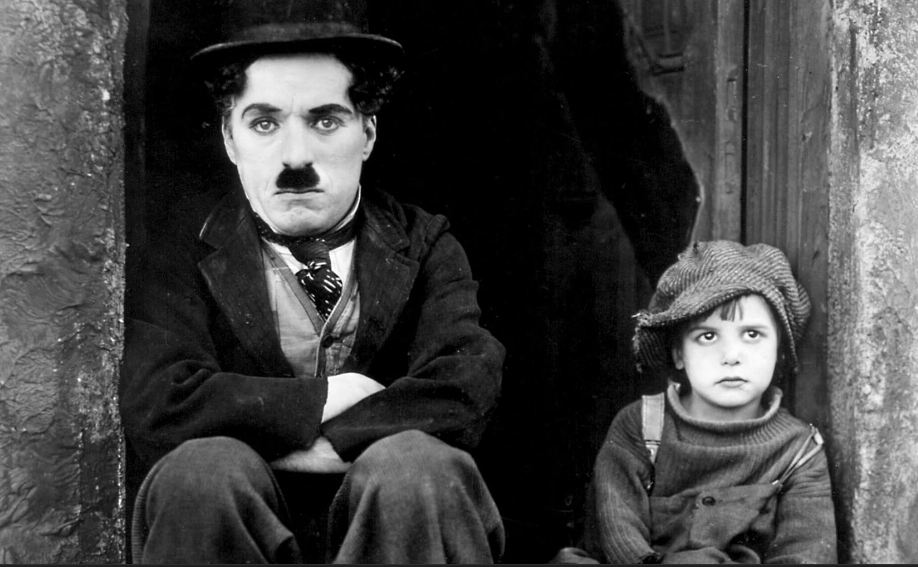
- Charlie Chaplin: His silent films like Modern Times used physical comedy to speak about poverty and industry.
- Lucille Ball: Pioneered female-led comedy in I Love Lucy.
- Richard Pryor & George Carlin: Changed stand-up forever with bold, often controversial humor.
- Charlie Hebdo & political cartoons: Proved humor can be risky, but powerful in speaking truth to power.
👉 Why it matters: Comedy became a mass movement—accessible to everyone, everywhere.
6. The Digital Era: Memes, Stand-Up, and Netflix Specials
Welcome to today, where humor is faster, sharper, and more viral than ever.
- Memes: A universal language of humor on social media. A single picture can spark global laughter.
- Netflix specials: Comics like Dave Chappelle, Ali Wong, and Trevor Noah reach millions instantly.
- TikTok & YouTube creators: Everyday people can now become humor icons overnight.
👉 Takeaway: Humor has never been more democratic—you don’t need a stage, just Wi-Fi.
Great Humorists Who Left Their Mark
Here’s a quick list of legends you should know:
- Aristophanes (Ancient Greece) – the first comic playwright.
- Molière (France) – the master of satire in theater.
- Mark Twain (USA) – witty, wise, and timeless.
- Charlie Chaplin (UK) – silent but universally hilarious.
- Richard Pryor (USA) – raw, fearless stand-up.
- George Carlin (USA) – sharp-tongued critic of society.
- Lucille Ball (USA) – the queen of TV comedy.
- Dave Chappelle (USA) – a modern-day philosopher in disguise as a comic.
Quick Recap Checklist
✅ Humor started in Ancient Greece & Rome as satire.
✅ Jesters and carnivals kept laughter alive in the Middle Ages.
✅ Renaissance & Enlightenment sharpened satire into a social weapon.
✅ The 19th century gave us Twain, Wilde, and Dickens.
✅ The 20th century made humor global with cinema, radio, and TV.
✅ Today, memes and Netflix keep humor alive everywhere.
FAQ – Humor Through the Ages
Q1: Who was the first comedian in history?
Aristophanes, a Greek playwright (5th century BC), is often called the “Father of Comedy.”
Q2: Why is humor important in history?
Because it reflects society, challenges power, and helps people cope with struggles.
Q3: Who is the most influential humorist of all time?
It’s subjective, but Mark Twain and Charlie Chaplin are often considered timeless icons.
Q4: What’s the biggest change in modern humor?
Speed. Thanks to social media, humor spreads instantly worldwide.
Final Thoughts – Your Turn!
Humor is more than laughter—it’s a mirror of humanity, a survival tool, and sometimes even a weapon. From ancient satirical plays to viral TikTok memes, humor has always helped us laugh, think, and connect.
So, who’s your favorite humorist—Aristophanes, Twain, Chaplin, or maybe a modern YouTuber? Share your thoughts, stories, or even your favorite joke in the comments—I’d love to hear them!
Advertisements