Advertisements
Why the Debate Never Ends
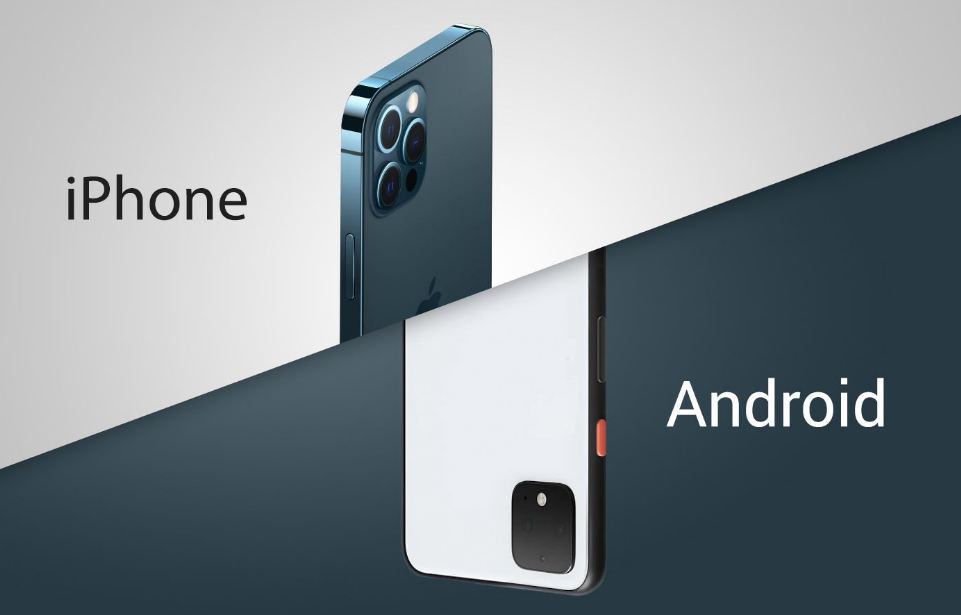
Android or iPhone? It’s the tech world’s eternal question. Some people swear by Apple’s sleek iOS, while others can’t live without Android’s flexibility. The truth? Both operating systems have strengths that make them amazing—and flaws that can drive you crazy.
In this article, I’ll break down the real pros and cons of Android and iOS, so you can finally see which one fits your lifestyle better. Forget the fan wars—this is about clarity, not hype.
1. User Experience: Simplicity vs. Flexibility
- iPhone (iOS):
- Strength: Smooth, intuitive, and consistent. Even non-techy users can master it in minutes.
- Flaw: Very limited customization—you’re stuck with Apple’s way of doing things.
- Android:
- Strength: Highly customizable—change themes, widgets, layouts, and even default apps.
- Flaw: Sometimes less polished. With so many brands (Samsung, Xiaomi, Google, etc.), experiences can vary in smoothness.
👉 Takeaway: iOS = simple and stable. Android = flexible and personal.
2. App Quality and Availability
- iPhone (iOS):
- Strength: Apps usually launch first on iOS, with better optimization and security. Developers often prioritize Apple.
- Flaw: Stricter App Store rules mean some apps or features (like customization tools) never make it.
- Android:
- Strength: Google Play Store has a wider variety, including experimental apps. You can even sideload apps outside the store.
- Flaw: Higher risk of malware due to looser controls. Some apps are poorly optimized across devices.
👉 Takeaway: iOS = quality control. Android = freedom (with some risks).
3. Hardware and Performance
- iPhone (iOS):
- Strength: Apple designs both hardware and software, so performance is seamless—even with fewer specs. iPhones often last longer in speed and updates.
- Flaw: No variety—only Apple devices, and they’re expensive.
- Android:
- Strength: Wide choice—flagships with insane specs (like Samsung Galaxy Ultra), affordable models for budget users. More innovation in cameras, displays, and battery.
- Flaw: Not all Android phones are created equal—cheap models may lag or get fewer updates.
👉 Takeaway: iPhones = stable and consistent. Android = wide range and cutting-edge features.
4. Battery Life and Charging
- iPhone (iOS):
- Strength: Excellent battery optimization thanks to iOS. Even smaller batteries last longer.
- Flaw: Slower charging compared to Android. Apple also sticks to Lightning (though shifting to USB-C now).
- Android:
- Strength: Fast charging and bigger batteries—some models hit 100% in under 30 minutes. Many support USB-C and wireless charging.
- Flaw: Battery optimization varies by brand. Some models still drain quickly.
👉 Takeaway: Android wins for charging speed. iPhone wins for consistent battery efficiency.
5. Security and Privacy
- iPhone (iOS):
- Strength: Top-notch privacy. Apple encrypts data, limits tracking, and tightly controls its ecosystem.
- Flaw: Limited freedom—you can’t easily customize settings or use apps Apple disapproves of.
- Android:
- Strength: Frequent security updates (especially on Google Pixel). More control over privacy settings.
- Flaw: Because Android is open-source, it’s more vulnerable to hacks, especially on cheaper phones with weak security.
👉 Takeaway: iPhone = privacy fortress. Android = more freedom but greater risk.
6. Software Updates and Longevity
- iPhone (iOS):
- Strength: Long-term updates (5–7 years). Even old iPhones get the latest iOS.
- Flaw: Updates can sometimes slow down older models.
- Android:
- Strength: Premium brands like Samsung now offer up to 4–5 years of updates.
- Flaw: Many budget Androids stop receiving updates after 2 years.
👉 Takeaway: iPhone = longer life cycle. Android = depends on the brand.
Quick Recap: Flaws & Strengths
✅ iPhone (iOS)
- ✔ Smooth, secure, and long-lasting
- ✘ Expensive, less customizable, slower charging
✅ Android
- ✔ Customizable, wide range of devices, fast charging
- ✘ Fragmented updates, higher security risks
FAQ – Android vs iPhone
Q1: Which is better for students—Android or iPhone?
Android, because you can get great phones at lower prices, with features like expandable storage.
Q2: Which is safer—iOS or Android?
iOS is generally safer due to Apple’s strict ecosystem. Android can be safe if you stick to trusted brands and updates.
Q3: Which lasts longer—an iPhone or an Android phone?
iPhones usually last longer in terms of updates and smooth performance, though premium Androids can now compete.
Q4: Why do iPhones cost more than Androids?
Apple controls the entire ecosystem and positions itself as a premium brand. You’re paying for stability, design, and long-term support.
Final Thoughts – Your Turn!
Choosing between Android and iPhone isn’t about which one is “better.” It’s about which one is better for you.
- Pick iPhone if you want stability, security, and long-term updates.
- Pick Android if you want flexibility, variety, and cutting-edge features.
So, which side are you on—the simplicity of iOS or the freedom of Android? Share your choice (and your reasons) in the comments—I’d love to hear your take!
Advertisements