Advertisements
Why You Should Care About That Bottle in Your Hand
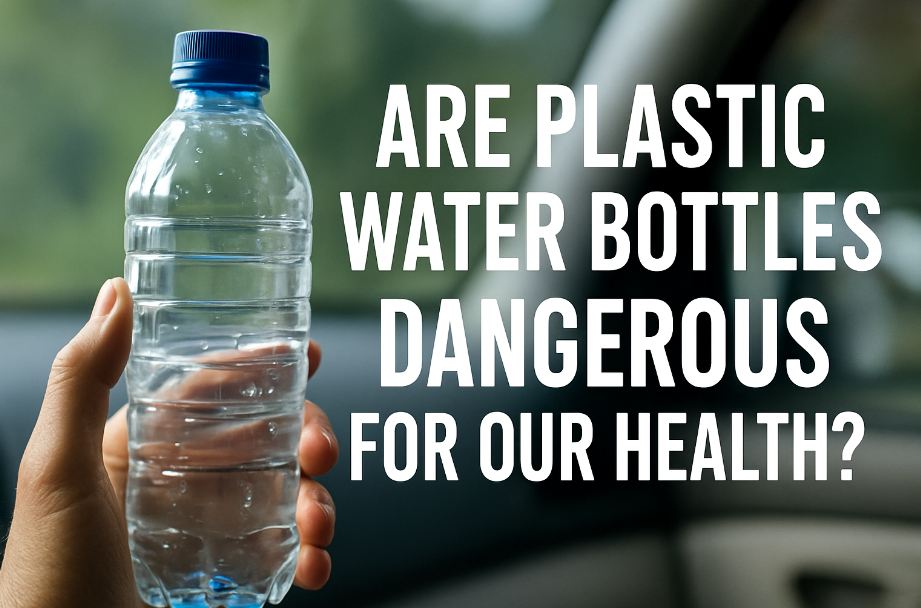
You’ve probably grabbed a plastic water bottle on the go—maybe after the gym or during a long road trip. It feels convenient, cheap, and safe. But here’s the catch: what if that simple bottle is silently affecting your health in the long run?
The Hidden Risks of Plastic Bottles
Researchers have raised concerns about certain chemicals used in plastic manufacturing. Substances like BPA (bisphenol A) and phthalates can leach into water, especially when bottles are exposed to heat (like sitting in your car).
- Why it matters: These chemicals are linked to hormonal imbalances, fertility problems, and even certain cancers.
- Real-life example: Ever noticed a strange plastic taste when you drink from a bottle left in the sun? That’s not just “bad taste”—it’s chemicals seeping into your water.
How to Spot Safer Bottles
Not all plastics are equal. If you must use them, check the recycling codes at the bottom.
- #1 (PET or PETE) → Single use, can release microplastics if reused often.
- #2 (HDPE) → Safer, usually used in milk jugs.
- #7 (Other, including BPA) → Riskier, avoid when possible.
👉 Pro tip: Always avoid reusing disposable plastic bottles. They’re designed for one-time use only.
The Microplastics Problem
Recent studies show that microplastics are everywhere—even in bottled water. A 2023 study found that a single liter of bottled water can contain tens of thousands of tiny plastic particles.
- Why it matters: These particles enter your bloodstream and organs, potentially triggering inflammation and long-term health issues.
- The scary truth: You’re not just drinking water—you’re drinking plastic.
Healthier Alternatives to Plastic Bottles
Switching isn’t as hard as you think. Here are better options:
- Glass bottles → No chemicals, no aftertaste, 100% safe.
- Stainless steel bottles → Durable, keeps drinks hot or cold.
- BPA-free reusable bottles → If you prefer lightweight plastic, at least ensure it’s BPA-free.
💡 Example: Brands like Hydro Flask or Klean Kanteen have built huge followings because people are becoming more aware of plastic risks.
Everyday Tips to Reduce Risk
- Don’t leave plastic bottles in hot cars.
- Don’t freeze plastic bottles (temperature stress can release chemicals).
- Switch to filtered tap water when possible.
- Carry your own reusable bottle—it’s eco-friendly and safer for you.
Conclusion: Is It Worth the Risk?
Plastic water bottles may look harmless, but over time they can expose you to chemicals and microplastics you definitely don’t want in your body. The fix is simple: choose safer alternatives and be mindful of how you store your water.
✅ Quick recap checklist:
- Avoid reusing disposable bottles.
- Pick glass or stainless steel for daily use.
- Stay informed about microplastics.
FAQ
1. Can I safely reuse plastic water bottles?
No. Disposable bottles (like PET) are designed for single use. Reusing them increases the risk of chemical leaching and bacteria growth.
2. Are BPA-free bottles really safe?
BPA-free is better, but some alternatives still contain other chemicals. Glass and stainless steel remain the safest options.
3. Is bottled water safer than tap water?
Not always. Many bottled waters are just filtered tap water. With a good home filter, tap water can be just as safe—without the plastic.
4. What’s the healthiest water bottle material?
Glass is the best, followed closely by stainless steel.
👉 Now it’s your turn: Do you still trust your plastic bottle, or are you ready to make the switch? Share your thoughts in the comments—I’d love to hear your take!
Advertisements