Advertisements
When Charging Your Phone Becomes Dangerous
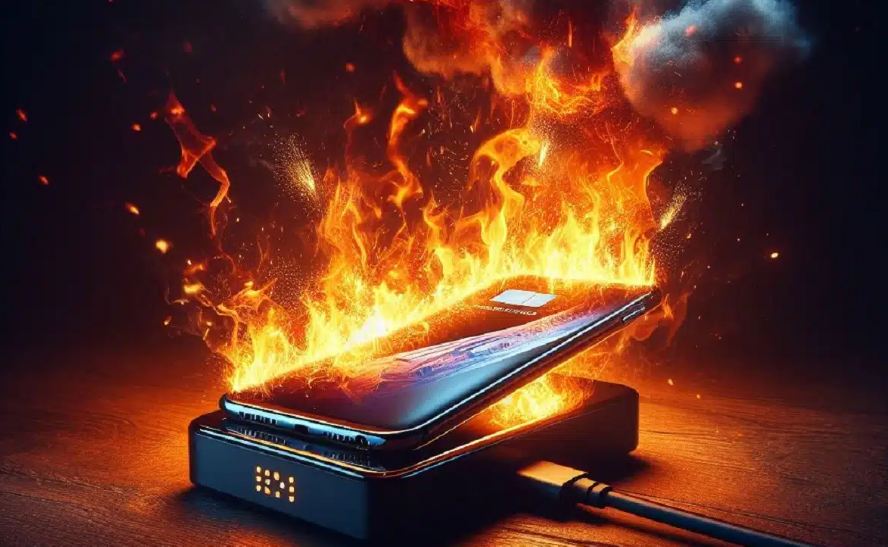
We all do it — plug in our phones overnight and forget about them. It seems harmless, right? But here’s the shocking truth: thousands of house fires around the world start every year because of faulty or low-quality cell phone chargers. One small spark can turn your bedroom into a disaster zone.
The good news? Most of these fires are preventable. In this article, I’ll explain why some chargers catch fire, what warning signs to watch for, and how you can keep yourself (and your home) safe.
The Real Reason Some Chargers Catch Fire
1. Cheap, Low-Quality Chargers
You’ve probably seen those $2 chargers at gas stations or street markets. They look like the real thing, but they often lack proper safety standards.
- Why it’s dangerous: Poor wiring and cheap components overheat easily.
- Benefit for you: Spending a little more on a certified charger can literally save your life.
- Example: A study by the UK Electrical Safety Council showed that 98% of fake Apple chargers failed safety tests.
2. Overheating and Poor Ventilation
Chargers convert power from your wall socket into safe energy for your phone. But when they overheat, they can’t cool down fast enough.
- Why it’s dangerous: Heat builds up, melts insulation, and can start a fire.
- Benefit for you: Using chargers on hard surfaces (not under your pillow!) reduces risk.
- Example: Many reported fires happened when people charged phones under beds or blankets.
3. Overcharging and Damaged Batteries
While modern smartphones have built-in protection, older phones or faulty chargers may keep pushing power into the battery.
- Why it’s dangerous: Damaged or swollen batteries can catch fire or even explode.
- Benefit for you: Replacing old chargers and checking your battery health lowers risks.
- Example: Samsung had to recall millions of phones in 2016 because of battery overheating issues.
4. Fake “Brand Name” Chargers
Counterfeit chargers look almost identical to real ones, with logos and packaging that trick buyers. But inside, they’re a completely different story.
- Why it’s dangerous: No surge protection, no temperature control, no safety certifications.
- Benefit for you: Buying directly from official stores or trusted retailers ensures authenticity.
- Example: Apple has sued sellers of counterfeit chargers after reports of fires and shocks.
How to Protect Yourself From Charger Fires
✅ Safety Checklist
- Buy only certified chargers (look for UL, CE, or FCC marks).
- Avoid charging your phone on soft surfaces like beds or couches.
- Don’t use chargers with frayed cables or bent plugs.
- Unplug your charger when it’s not in use.
- Replace old chargers every 2–3 years.
Quick Swaps That Make a Difference
- Cheap gas-station charger ⚡ → Official brand charger from the store
- Charging under the pillow 😴 → Charging on a desk or nightstand
- Using one charger for multiple devices 🔌 → Separate certified chargers for each device
- Keeping a swollen battery 📱 → Replacing the battery or the phone immediately
FAQ
1. Is it safe to leave my phone charging overnight?
Yes, if you’re using a certified charger on a safe surface. But unplug it once full to reduce long-term heat.
2. How can I tell if my charger is fake?
Check for misspelled logos, lightweight build, and lack of safety marks (UL, CE, FCC).
3. Why does my charger get hot?
A little warmth is normal, but if it’s too hot to touch, unplug it immediately.
4. Are wireless chargers safer?
They reduce wear on cables, but cheap wireless chargers can also overheat. Always buy certified models.
Final Thoughts – Stay Plugged Into Safety
Your phone charger is something you use every single day, but it can also become a hidden fire hazard. By avoiding cheap knock-offs, charging smartly, and keeping an eye on warning signs, you can stay safe and protect your home.
👉 Have you ever had a charger overheat or spark? Share your experience in the comments — your story could help someone else avoid disaster!
Advertisements