Advertisements
From king of the mobile world to a cautionary tale
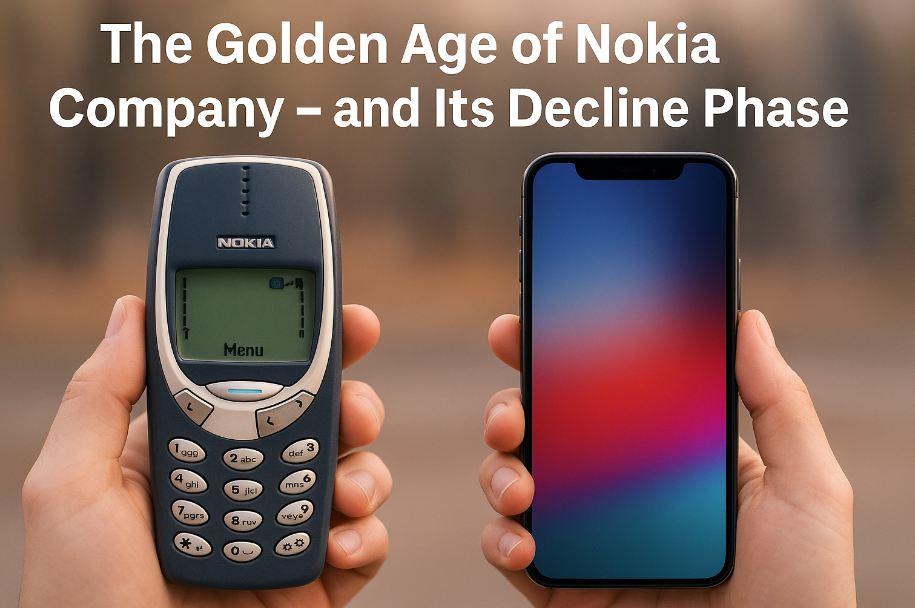
Remember when Nokia was everywhere? The ringtone, the snake game, and those nearly indestructible phones—you probably had one, or at least knew someone who did. Back in the late 90s and early 2000s, Nokia wasn’t just a brand; it was the definition of mobile phones. But what happened? How did the king of mobile fall so fast?
In this article, I’ll walk you through Nokia’s golden age, its decline phase, and what lessons you can take away if you’re into tech, business, or just love a good story about rise and fall.
📈 The Golden Age: Nokia at Its Peak
A global mobile giant
In the late 1990s and early 2000s, Nokia held over 40% of the global mobile phone market. That’s massive—almost half of all phones sold worldwide had the Nokia logo.
Why people loved it:
- Durability: Drop it on the floor? It still worked. Some models became memes because they were “indestructible.”
- Battery life: A single charge could last days (something modern smartphones can’t match).
- User-friendly design: Easy menus, physical buttons, and no unnecessary complexity.
- Iconic models: The Nokia 3310, 6600, and N-series phones became cultural icons.
👉 For many, the Snake game was their first mobile gaming experience.
The benefit for us today: Nokia showed the world how to make technology simple, reliable, and fun.
🌍 Nokia’s Innovation Power
- Nokia was among the first to bring mobile internet, Bluetooth, and cameras into phones.
- Their Symbian operating system dominated before iOS and Android even existed.
- They created stylish business phones like the Communicator series, loved by professionals.
Example: In 2005, Nokia sold over 250 million units of the 1100 model, making it one of the best-selling electronic devices in history.
📉 The Decline Phase: What Went Wrong?
1. The iPhone Shock (2007)
When Apple launched the iPhone in 2007, the game changed. Touchscreens, apps, and sleek design suddenly became the new standard. Nokia, still focused on buttons and Symbian, underestimated the shift.
- Lesson: In business, ignoring new trends is fatal.
2. Slow to Adapt
While Samsung quickly jumped on Android, Nokia hesitated. They stuck with Symbian for too long, and when they finally moved, it was already too late.
- Benefit for you: Always be ready to adapt fast, especially in industries where technology evolves every year.
3. Partnership Mistakes
In 2011, Nokia partnered with Microsoft to push Windows Phone. While the Lumia series had great cameras, the OS lacked apps. Developers focused on iOS and Android, leaving Windows Phone behind.
- Example: Imagine owning a Lumia and not finding Instagram or WhatsApp updates—that’s how users felt.
4. The Brand Lost Its Magic
By the mid-2010s, people wanted smartphones that felt fresh, modern, and full of apps. Nokia’s image as the “old-school button phone” worked against them.
🏁 The Fall – and a Small Comeback
In 2014, Microsoft bought Nokia’s mobile division for over $7 billion. But even Microsoft couldn’t revive it. By 2016, they sold the rights to HMD Global, a Finnish company that still makes Nokia-branded Android phones today.
Fun fact: While Nokia lost in mobile, the company still exists and makes billions from network technology (5G infrastructure).
✅ What We Can Learn From Nokia’s Story
- Never ignore market shifts (touchscreens, apps, 5G).
- Adapt quickly or lose your advantage.
- Brand power fades if you stop innovating.
Nokia’s fall is a business case study taught in MBA programs worldwide.
Quick Timeline
- 1990s – 2005: Nokia dominates, world leader in mobile phones.
- 2007: iPhone launches, Nokia ignores the threat.
- 2011: Partners with Microsoft (Windows Phone).
- 2014: Microsoft buys Nokia’s phone division.
- 2016+: HMD Global revives Nokia as Android phones, but no longer a giant.
FAQ: Nokia’s Golden Age and Decline
Q1: What made Nokia so successful in the 2000s?
Durability, long battery life, simple design, and early innovation with mobile tech.
Q2: Why did Nokia lose the market?
They underestimated the impact of smartphones, especially iPhone and Android.
Q3: Does Nokia still make phones today?
Yes! HMD Global makes Android-based Nokia phones, but they are niche players.
Q4: Is Nokia completely dead?
No. Nokia is a major player in 5G and network infrastructure worldwide.
Final Thoughts
Nokia’s story is both inspiring and tragic. They showed the world how mobile phones could connect people everywhere, but also proved how failing to adapt can destroy even the biggest brands.
Now it’s your turn: Did you own a Nokia back in the day? Which model was your favorite—the legendary 3310, the stylish N95, or maybe the Communicator series? Share your memories in the comments, and don’t forget to send this to a friend who still remembers that classic Nokia ringtone!
Advertisements