Advertisements
Why Your Shampoo Might Be Hurting Your Hair
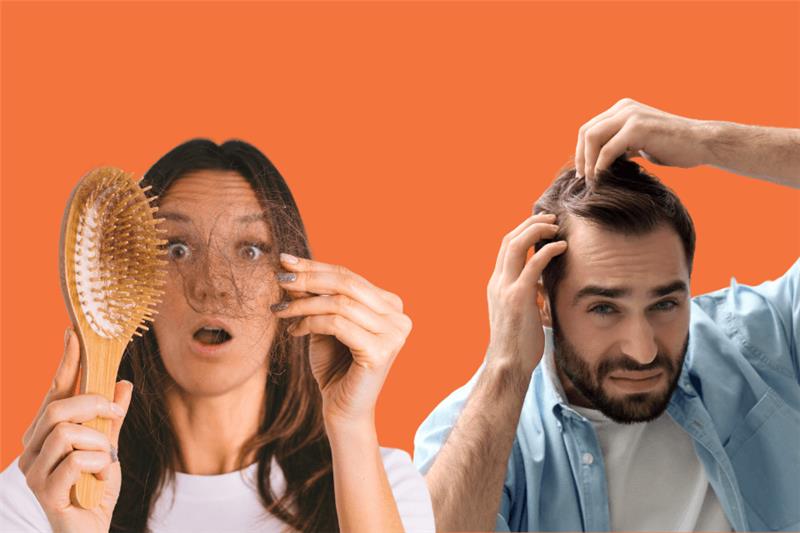
You’ve probably been there: your hair feels dry, itchy, or greasy no matter how often you wash it. Strange, right? The culprit could actually be your shampoo. Many popular formulas are packed with hidden chemicals that do more harm than good.
The good news? With a little know-how, you can avoid the bad stuff and choose a shampoo that actually protects your hair instead of damaging it. Based on experience and countless hours of research, I’ll show you a simple method to pick the best shampoo for your hair health.
Let’s dive in.
Common Side Effects of Shampoo You Should Know
1. Dryness and Breakage
Some shampoos contain sulfates, which create that foamy lather we all love. But here’s the truth: sulfates strip away natural oils your scalp needs. Without those oils, your hair becomes brittle and more likely to break.
👉 Benefit for you: By avoiding harsh sulfates, you’ll keep your hair stronger and softer.
👉 Example: If you’ve noticed split ends appearing more often since changing shampoos, chances are sulfates are to blame.
2. Scalp Irritation
Ingredients like parabens and artificial fragrances can trigger redness, itching, and dandruff-like flakes. It’s not just annoying—it can also make you lose confidence.
👉 Benefit for you: Choosing gentler, fragrance-free shampoos helps you avoid irritation and keeps your scalp healthy.
👉 Example: A friend of mine switched from a supermarket-brand shampoo to a natural aloe vera shampoo, and her itching stopped within two weeks.
3. Color Fading
Love coloring your hair? Sulfates and alcohol-based shampoos are your worst enemies. They strip the dye and make your color fade faster, forcing you to re-dye (which damages hair even more).
👉 Benefit for you: Using color-safe shampoos can extend your color’s life by weeks, saving you money and keeping your hair vibrant.
4. Greasy Rebound
Washing your hair with strong shampoos every day may actually make it oilier. Why? Because stripping your scalp pushes it to produce even more oil to “fix” the dryness.
👉 Benefit for you: Choosing a balanced, gentle shampoo helps regulate oil production naturally.
How to Choose the Best Shampoo for Your Hair
1. Read the Label Like a Detective
Check for keywords like “sulfate-free,” “paraben-free,” and “color-safe.” Look out for nourishing ingredients such as argan oil, shea butter, keratin, and biotin.
👉 Tip: If you have curly hair, look for “moisturizing” or “curl-enhancing.” If you have fine hair, aim for “volumizing.”
2. Match Shampoo to Your Hair Type
- Dry hair → Hydrating shampoos with coconut oil or shea butter
- Oily hair → Clarifying shampoos with tea tree or peppermint
- Damaged/colored hair → Protein-based or keratin shampoos
- Sensitive scalp → Fragrance-free, natural shampoos with aloe vera
👉 Benefit for you: You’ll see results faster because you’re targeting your exact problem.
3. Don’t Wash Every Day
Yes, really! Daily shampooing can weaken your strands. Instead, try every 2–3 days, or even once a week if your hair type allows. Use dry shampoo in between if needed.
👉 Benefit for you: Less dryness, fewer split ends, and a scalp that stays balanced.
4. Test Before Committing
Don’t buy the giant family-sized bottle right away. Try a travel size first. If your hair feels better after two weeks, then go for the full size.
👉 Benefit for you: You’ll save money and avoid filling your bathroom with products that don’t work.
My Go-To Shampoo Recommendation
Personally, I’ve had great results with OGX Argan Oil of Morocco (affordable and sulfate-free). If you want something premium, Kérastase Nutritive Bain Satin is excellent for dry hair. And for a natural, budget-friendly choice, SheaMoisture Raw Shea Butter Shampoo works wonders.
(You can find them easily on Amazon or at most beauty stores.)
Quick Checklist: The Perfect Shampoo for You
- ✅ Sulfate-free and paraben-free
- ✅ Suits your hair type (dry, oily, colored, curly, etc.)
- ✅ Contains nourishing oils and proteins
- ✅ Doesn’t irritate your scalp
- ✅ Tested in small size before buying big
FAQ
Q1: Can I use body wash as shampoo in an emergency?
Technically yes, but it’s not ideal. Body washes aren’t pH-balanced for your scalp and can dry your hair out.
Q2: How often should I change shampoos?
Every 6–12 months or when your hair stops responding to it. Your scalp can adapt over time.
Q3: Are expensive shampoos always better?
Not necessarily. What matters is the ingredients, not the price tag. Some drugstore brands are just as effective as luxury ones.
Q4: Is natural shampoo always safe?
Mostly, but even natural oils can cause allergies. Always patch-test before full use.
Final Thoughts
Your shampoo should protect your hair, not punish it. By reading labels, choosing based on your hair type, and avoiding harsh chemicals, you’ll save yourself a ton of frustration (and bad hair days).
Now it’s your turn:
👉 What shampoo works best for your hair? Have you ever had a nightmare shampoo experience? Share your tips and stories in the comments—I’d love to hear them!
And hey, if this guide helped you, don’t forget to share it with your friends. Healthy hair is something we all deserve!
Advertisements