Advertisements
Not every garden basks in full sun all day—and that’s a good thing! Shady areas can feel cool, cozy, and full of character. With the right landscape plan for shade, you can transform a dim corner into a lush, inviting space that’s just as beautiful (and often easier to maintain) as a sunny yard.
Whether you’re working with the shade from big trees, tall fences, or the north side of your home, here’s how to design a landscape plan that embraces the shade.
🌱 Why Plan a Shade Garden?
- Cool & refreshing: Shade gardens naturally create a calming, peaceful atmosphere.
- Low-maintenance: Many shade-loving plants need less water and care.
- Wildlife-friendly: Ferns, hostas, and flowering groundcovers attract pollinators.
- Unique look: Contrast of textures and layered greenery gives shady spots depth and charm.
🏡 Step 1: Understand Your Shade
Before planting, figure out what kind of shade you have:
- Full Shade: Less than 3 hours of direct sun per day (under dense trees).
- Partial Shade: 3–6 hours of filtered or morning sun (great for mixed plantings).
- Dappled Shade: Sunlight peeking through tree leaves (perfect for woodland-style gardens).
This helps you pick the right plants for your landscape plan.
🌿 Step 2: Choose Shade-Loving Plants
Here are some top plant choices for shady landscapes:
Groundcovers & Low Plants
- Hostas (bold leaves in endless varieties).
- Ferns (delicate texture, great for woodland feel).
- Lamium (colorful groundcover with silver foliage).
- Pachysandra (evergreen, spreads well under trees).
Flowers & Color Pops
- Impatiens (classic shade flowers with vibrant colors).
- Astilbe (feathery pink, red, or white blooms).
- Begonias (great for containers or borders).
- Hellebores (early bloomers, even in winter).
Shrubs & Structure
- Hydrangeas (especially Hydrangea macrophylla for shade).
- Azaleas & Rhododendrons (thrives in dappled shade).
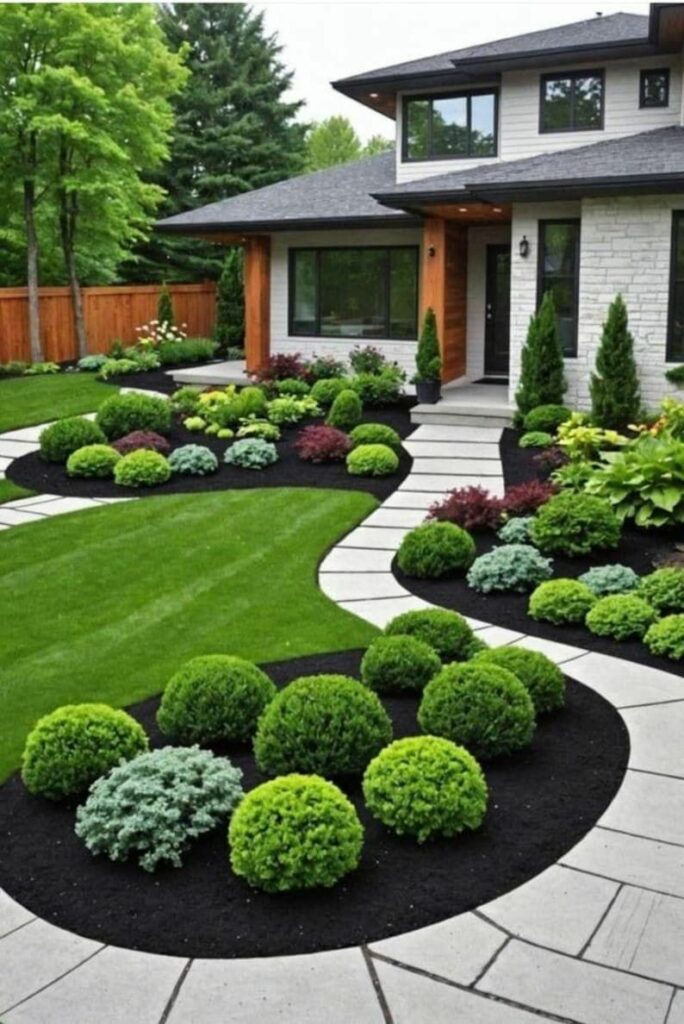
- Boxwood (for neat, structured borders).
🛋️ Step 3: Add Design Features
A good landscape plan for shade isn’t just about plants—it’s also about creating a relaxing outdoor space.
- Stone pathways: Natural stone looks beautiful in shady gardens.
- Wooden benches: Perfect under a large tree for reading or resting.
- Water features: Shade keeps ponds and fountains cooler, reducing algae.
- Lighting: Use solar lanterns or string lights to brighten dim corners.
🌸 Step 4: Use Color & Texture
Shady gardens don’t need to look dull. Mix and match for interest:
- Pair bold hosta leaves with delicate ferns.
- Use silver or variegated foliage (like Lamium or Brunnera) to reflect light.
- Add bright flowers like impatiens or begonias for seasonal pops of color.
🧰 Step 5: Maintenance Tips
- Mulch generously to keep soil moist and reduce weeds.
- Prune trees if needed to allow filtered sunlight.
- Water deeply since shady areas can compete with tree roots.
- Fertilize lightly—shade plants don’t need as much as sun lovers.
🌳 Final Thoughts
A landscape plan for shade can transform dark corners into cool, inviting retreats filled with texture, color, and life. Instead of fighting the lack of sun, embrace it—plant lush hostas, vibrant impatiens, and calming ferns. Add a stone path or water feature, and you’ll have a shady sanctuary that feels magical year-round.
Advertisements