Advertisements
A Short and Punchy Start
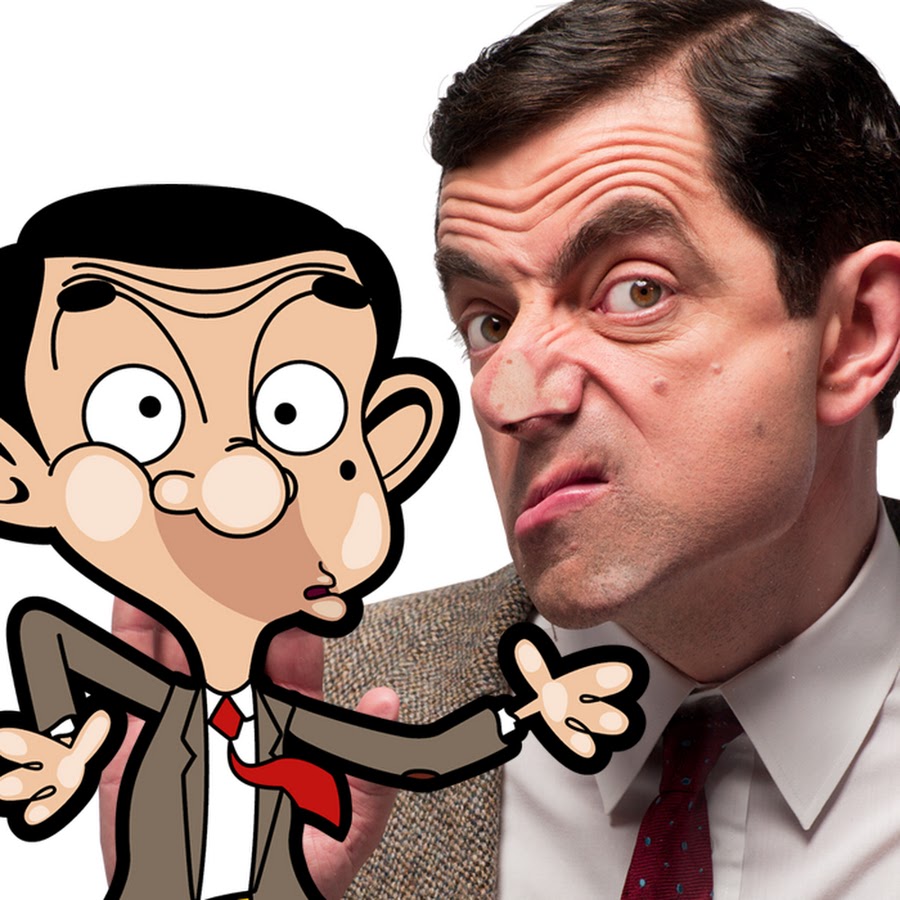
Who would’ve thought that a man who barely speaks could make the whole world laugh? In a time when comedians relied on words, Rowan Atkinson’s character Mr. Bean broke the rules — and won big. Today, his success story isn’t just funny; it’s inspiring.
Stay with me. I’ll share how Mr. Bean went from a quirky British sketch to a worldwide phenomenon, and what lessons you can apply in your own journey.
The Beginning: A Shy Man With a Big Dream
1. Rowan Atkinson’s Early Struggles
- The Problem: Believe it or not, Atkinson had a speech impediment (a stutter). Comedy based on talking? Not an option.
- The Pivot: Instead of forcing words, he leaned on body language, facial expressions, and silence.
- Benefit for You: Sometimes your weakness can become your strength.
- Example: His exaggerated expressions became Mr. Bean’s universal language — no subtitles needed.
Breaking the Rules of Comedy
2. The Birth of Mr. Bean (1990)
- The Show: The first episode aired on January 1, 1990, on ITV in the UK.
- The Twist: Almost no dialogue, just visual humor.
- Why It Worked: Anyone, anywhere, could understand the jokes.
- Benefit for You: Simplicity often wins. Don’t overcomplicate your ideas.
- Example: A man struggling with a turkey on his head or cheating in an exam became timeless comedy moments.
3. From Local Star to Global Icon
- The Expansion: Within a few years, Mr. Bean was broadcast in over 190 countries.
- The Secret: Universality — no language barriers.
- Benefit for You: If you want global impact, focus on ideas that connect across cultures.
- Example: Kids in Japan, parents in Brazil, and teens in Morocco all laughed at the same sketches.
Beyond TV: Mr. Bean in Movies and Business
4. Movie Success
- Bean (1997): Made over $250 million worldwide.
- Mr. Bean’s Holiday (2007): Another big box office hit.
- Benefit for You: Expand your brand. Don’t limit yourself to one platform.
- Example: Mr. Bean wasn’t just a TV show — he became a movie star, cartoon, and even a mascot for the 2012 London Olympics.
5. Merchandising and Brand Value
- The Strategy: DVDs, toys, cartoons, and endless reruns.
- Result: Mr. Bean became not just a character, but a business empire.
- Benefit for You: A strong brand can live beyond its creator.
- Example: The animated Mr. Bean series introduced the character to a whole new generation.
Life Lessons from Mr. Bean’s Success
- Turn weakness into strength. (Atkinson’s stutter → silent comedy).
- Keep it simple. The less complicated, the more relatable.
- Think global. Universal ideas travel better.
- Diversify. One idea can grow into shows, movies, and products.
Quick Recap Checklist
- Mr. Bean’s silence became his superpower.
- Universal humor brought global fame.
- Movies and cartoons expanded the brand.
- Simplicity + creativity = timeless success.
FAQ
Q1: Why is Mr. Bean so popular worldwide?
Because his humor doesn’t rely on words, making it easy for everyone to understand.
Q2: How did Rowan Atkinson create Mr. Bean?
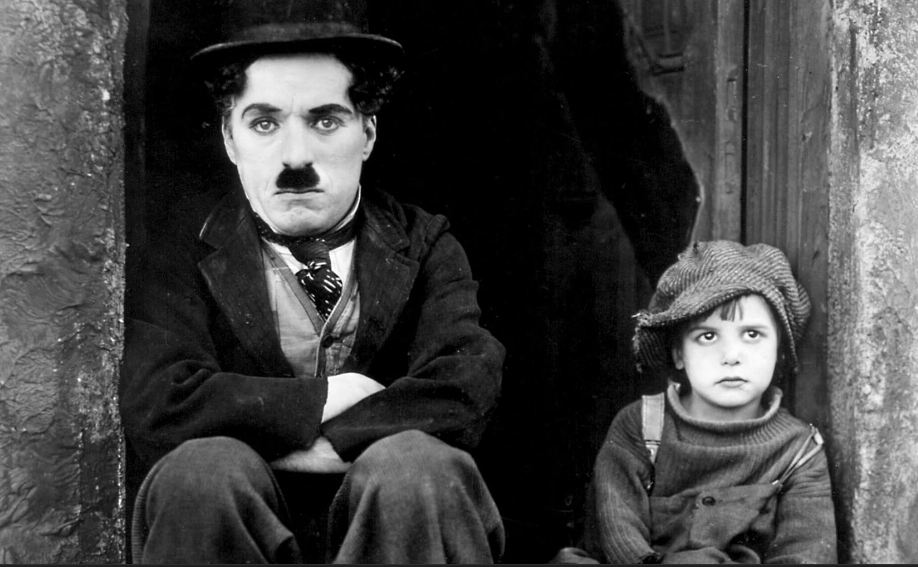
He developed the character while studying at Oxford, inspired by silent comedians like Charlie Chaplin.
Q3: Is Mr. Bean still successful today?
Yes. With reruns, cartoons, and online clips, the brand is still strong, even decades later.
Q4: What’s the biggest lesson from his success?
That your unique style — even if unusual — can become your greatest advantage.
Final Thoughts – Over to You!
Mr. Bean’s success story is proof that you don’t need a big voice to make a big impact. Sometimes, the simplest ideas are the ones that resonate most.
What about you? Do you have a “weakness” that could actually be turned into your strength? Share your thoughts in the comments — and don’t forget to send this article to someone who loves a good laugh!
Advertisements