Advertisements
Why Decorating Feels Harder Than It Should
Ever walk into a furniture store, get dazzled by colors, lamps, and trendy cushions, then go home wondering why your space still feels… off? You’re not alone. Many people spend money on décor but end up with a living room that doesn’t feel cozy or a bedroom that doesn’t relax them.
Here’s the truth: creating a beautiful, balanced home isn’t about buying expensive furniture. It’s about knowing how to choose the right colors, accessories, paintings, and plants—and putting them together in a way that reflects your personality. Let me walk you through it, step by step, with simple tips you can apply today.
1. Start With Colors: The Soul of Your Home
Colors set the tone for your entire space. Get them wrong, and nothing else will feel right.
- How to choose:
- Light, neutral tones (beige, soft grey, white) create a calming, spacious vibe.
- Warm colors (terracotta, mustard, olive green) make a room cozy and welcoming.
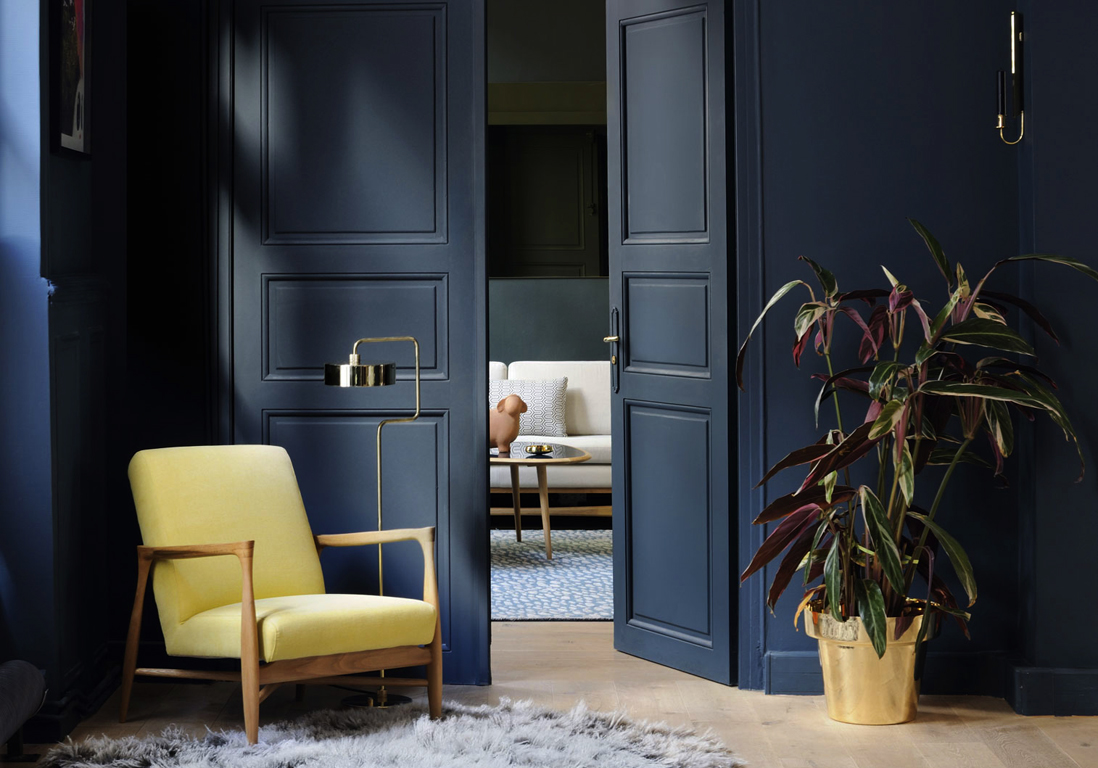
- Bold accents (navy blue, emerald, deep red) add character without overwhelming.
- Why it matters: Colors influence your mood. Imagine a bedroom painted bright neon orange—hardly restful!
- Pro tip: Stick to the 60-30-10 rule: 60% main color, 30% secondary, 10% bold accent.
👉 Example: A living room with cream walls (60%), soft grey sofa (30%), and mustard cushions (10%) feels balanced and stylish.
2. Accessories: Small Details, Big Impact
Accessories are like jewelry for your home—they don’t dominate, but they make everything shine.
- What to focus on:
- Cushions, rugs, and curtains to soften the room.
- Lamps and candles for warm, layered lighting.
- Decorative objects like bowls, vases, or sculptures.
- Why it matters: Accessories let you change the mood of a room without spending a fortune. Swap a rug or a cushion, and suddenly it feels like a new space.
👉 Example: A simple grey sofa can look chic with velvet emerald cushions and a patterned rug. Change the cushions to burnt orange, and it instantly feels autumnal.
3. Paintings and Art: Your Home’s Personality
Bare walls = wasted space. Art makes your home unique and tells your story.
- How to choose:
- Go for pieces that resonate with you, not just trendy posters.
- Mix sizes: one big painting as a centerpiece, with smaller framed prints around it.
- Align frames at eye level—it makes your room look more harmonious.
- Why it matters: Paintings add depth and make a home feel lived-in, not staged.
- Pro tip: Don’t be afraid of DIY art or framed photos—they add just as much personality as expensive pieces.
👉 Example: A single oversized abstract painting above a sofa creates instant drama and sophistication.
4. Plants: The Secret to a Fresh, Inviting Space
Want to bring life into your home—literally? Add plants.
- Best indoor plants:
- Snake plant (low maintenance, air purifying).
- Monstera (big leaves, trendy look).
- Aloe vera (practical and pretty).
- Why it matters: Plants clean the air, reduce stress, and instantly make any room feel more alive.
- Pro tip: Mix heights and textures—tall plants in corners, small ones on shelves, hanging plants for unused spaces.
👉 Example: A monstera in the corner + a few succulents on a coffee table = stylish, natural, and refreshing.
5. Balance and Harmony: The Final Touch
Even the best pieces can look messy without balance.
- Golden rules:
- Don’t overcrowd: leave breathing space.
- Repeat colors or textures across the room (a rug matching cushion shades, for example).
- Think of flow—make sure furniture and accessories don’t block movement.
👉 Example: A minimalist bedroom with white walls, a beige headboard, and two matching lamps feels relaxing and cohesive.
Quick Checklist Before You Decorate
✅ Choose a main color + secondary + accent (60-30-10 rule)
✅ Use accessories to add warmth and flexibility
✅ Add at least one piece of meaningful art per room
✅ Include plants for freshness and well-being
✅ Keep balance—don’t overload your space
FAQ – Home Décor Made Simple
Q1: What colors make a small room look bigger?
Light colors like white, cream, and light grey reflect light and create the illusion of space.
Q2: Should art match my furniture?
Not exactly—it should complement, not copy. Contrast can make a room more dynamic.
Q3: What’s the easiest plant for beginners?
Snake plants and pothos are nearly impossible to kill and thrive indoors.
Q4: How do I avoid a cluttered look?
Stick to a few meaningful accessories instead of filling every surface. Less is more.
Final Thoughts – Your Turn!
Decorating your home doesn’t need to be expensive or stressful. Start with colors that set the mood, layer in accessories that tell your story, hang paintings that speak to you, and bring in plants for life and energy.
Your home should reflect who you are—not just what’s trending on Pinterest.
So, tell me: what’s the first change you’d make in your home—paint, plants, or art? Share your ideas or drop a photo of your favorite corner—I’d love to see it!
Advertisements