Advertisements
A Short and Punchy Start
Ever feel like human rights only get talked about when it’s convenient? One day, governments promise equality and freedom. The next, headlines scream about war crimes, economic exploitation, or unfair trials. It’s a messy picture, and for many people, daily life becomes a fight just to survive injustice.
Stick with me. I’ll break down how war, economics, and the justice system often collide with human rights — and most importantly, what lessons you can take from it.
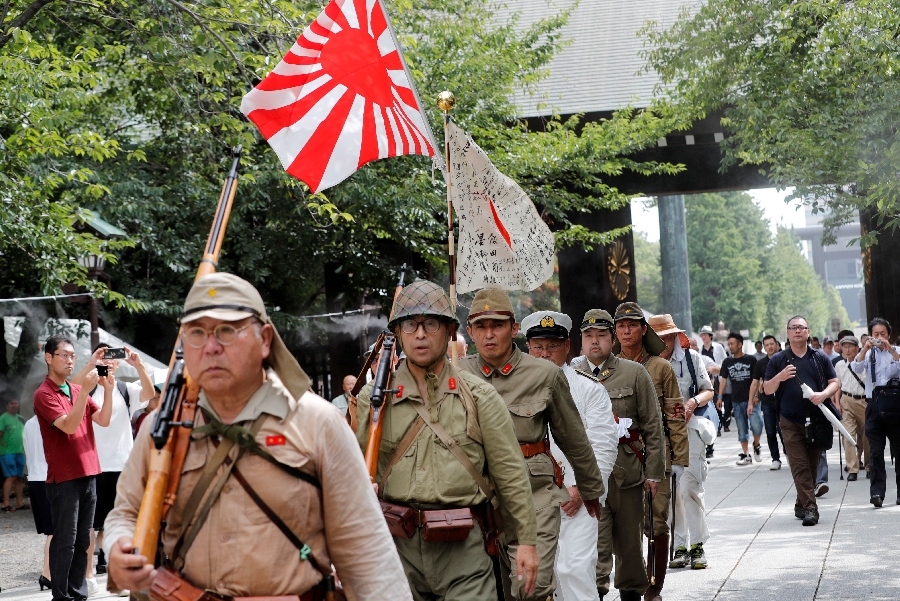
War: When Rights Become Casualties
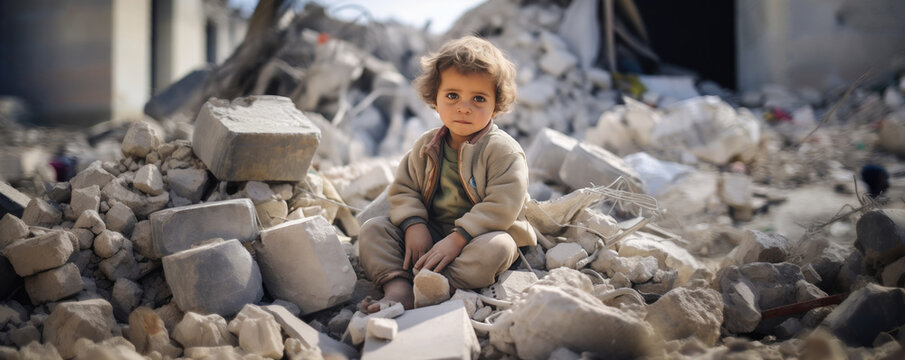
1. Conflict Destroys Basic Freedoms
- The Reality: In war zones, human rights are often the first to disappear. Free speech? Gone. Safety? Gone. Fair trials? Almost impossible.
- Benefit for You: Understanding this helps you see beyond headlines. It’s not just politics — it’s about people losing homes, families, and dignity.
- Example: Think of Syria or Ukraine, where ordinary citizens have been forced to choose between fleeing or facing daily danger.
2. Civilian Lives at Risk
- The Problem: International laws like the Geneva Conventions exist, but they’re not always respected.
- Result: Bombings, forced displacement, and abuse.
- Lesson for You: Rules mean nothing without accountability. Whether in global politics or personal life, enforcement matters.
Economics: Rights in the Marketplace
1. Poverty Blocks Freedom
- The Issue: Without money, basic rights like education, healthcare, and fair work become dreams.
- Benefit for You: It shows why “economic rights” are just as important as “political rights.”
- Example: In some regions, kids still work in mines or factories because their families can’t afford to send them to school.
2. Global Trade and Exploitation
- The Challenge: Large corporations sometimes profit from cheap labor and weak protections.
- Result: Workers are exploited, and human rights get sidelined.
- Lesson for You: Be mindful of the brands you support. Ethical choices matter.
- Example: Think of how some clothing brands faced backlash for using sweatshops.
Malpractices of Justice: When the System Fails
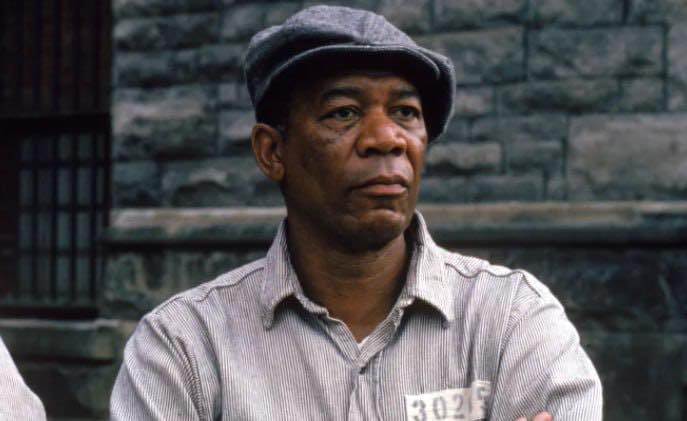
1. Corruption in Courts
- The Problem: In some countries, justice isn’t blind — it’s bought. Bribes, political pressure, and biased judges twist outcomes.
- Benefit for You: Awareness helps you see why fair trials are vital for a stable society.
- Example: Wrongful convictions or “show trials” where the verdict is decided before the case begins.
2. Discrimination in Law
- The Reality: Sometimes laws themselves are unfair — targeting minorities, women, or political opponents.
- Result: Instead of protecting rights, justice systems can become tools of oppression.
- Lesson for You: A law doesn’t equal justice. True justice defends everyone equally.
Quick Recap Checklist
- War destroys rights faster than anything else.
- Economic inequality keeps people trapped.
- Corruption and bias turn justice into injustice.
- Accountability, fairness, and adaptation are the keys.
FAQ
Q1: How does war affect human rights?
It strips away safety, freedom of movement, and even access to food, water, and healthcare.
Q2: Why are economics linked to human rights?
Because without money and resources, people can’t enjoy education, healthcare, or fair work conditions.
Q3: What are malpractices of justice?
They include corruption, biased judges, wrongful convictions, or laws designed to target certain groups.
Q4: How can ordinary people protect human rights?
By staying informed, holding leaders accountable, and making ethical choices in daily life.
Final Thoughts – Over to You!
So, when we talk about human rights between war, economics, and justice, it’s not just theory — it’s real life. It’s about families caught in conflict, workers trapped in unfair systems, and citizens silenced by corrupt courts.
What’s your take? Have you seen examples where human rights were ignored for profit or politics? Share your thoughts below or pass this article to someone who cares about justice.
Advertisements