Advertisements
August 22, 2025 by admin
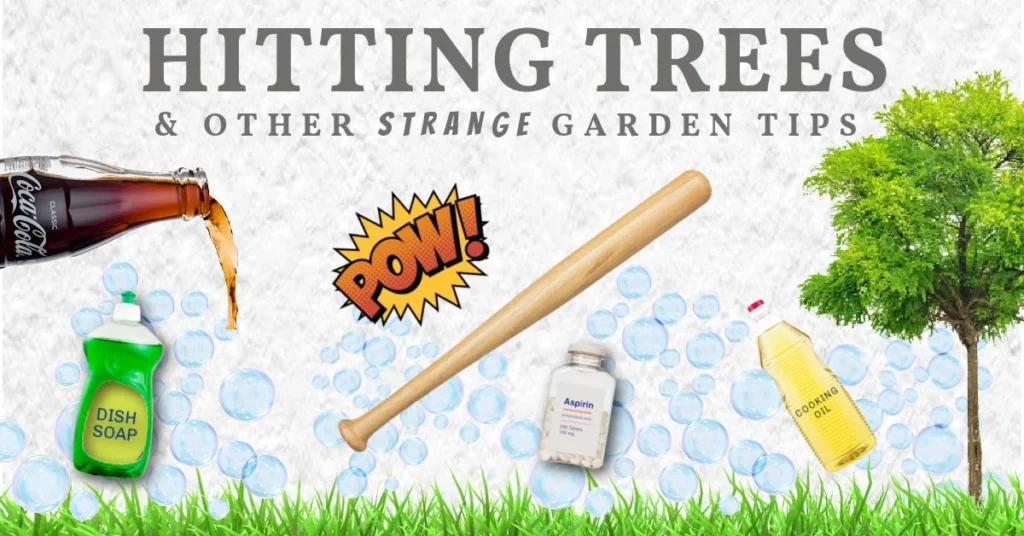
It sounds strange, right? Imagine walking past an apple tree, giving it a good shake or hit, and suddenly—boom—it starts producing more fruit the next season. Crazy? Not really.
Nature has a fascinating way of surviving. When a fruit tree feels “threatened”, it sometimes reacts by producing more or bigger fruit. Why? Because its main goal is simple: spread seeds before it dies.
In this article, let’s explore why this happens, what it means for gardeners, and how you can use this natural trick (responsibly!) in your own backyard.
🌱 Why Trees React to Stress
Plants don’t think like humans, but they’re wired for survival.
- Stress signals: When you hit or damage a tree, it interprets this as a threat.
- Survival instinct: The tree “thinks” it might not live much longer.
- Reaction: It pushes energy into producing fruit to ensure its seeds spread.
✅ Benefit for you: More fruit in the short term, but be careful—too much damage can weaken or kill the tree.
🍊 Stress-Induced Fruiting Explained
This phenomenon is called stress-induced fruiting. It’s seen in many fruit trees, like apple, mango, and even citrus.
- Some farmers lightly shake or tap trees to trigger more production.
- Others use techniques like pruning or girdling (controlled stress) to get similar results.
- But random or harsh hitting can harm the tree long-term.
💡 Example: In rural areas, some farmers knock mango trees with sticks to trigger bigger harvests. It works—but only when done carefully.
⚖️ The Balance: Stress vs. Survival
While stressing a tree can give you more fruit, there’s a catch.
- Too much stress → weak roots, stunted growth, disease.
- Right amount of stress → more fruit, better seed spread.
✅ Benefit for you: A bigger harvest, if you learn how to apply this technique safely.
👉 Tip: Gentle shaking or controlled pruning is better than random hitting.
🌳 Should You Try This in Your Garden?
Yes—but wisely. Here’s how:
- ✅ Lightly prune branches to encourage fruit growth.
- ✅ Shake branches gently to help pollination and stimulate stress response.
- ❌ Don’t strike the trunk—it can scar or even kill the tree.
- ✅ Use mulching, watering, and soil care to balance stress with nutrition.
💡 Remember: A little stress helps. Too much ruins the tree.
📝 Quick Takeaways
- Fruit trees react to stress by producing more fruit.
- This survival tactic ensures seeds are spread before potential death.
- Farmers sometimes use controlled stress methods for better harvests.
- Use gentle methods (shaking, pruning) instead of hitting the trunk.
❓ FAQ – Stress & Fruit Trees
Q1: Why does hitting a fruit tree make it produce more fruit?
Because the tree feels threatened and speeds up seed production as a survival instinct.
Q2: Is it safe to hit or shake a fruit tree?
Gentle shaking or pruning is fine, but hitting the trunk can damage bark and lead to disease.
Q3: Do all fruit trees react the same way?
Not exactly. Some species, like apples and mangoes, show stronger stress-induced fruiting than others.
Q4: What’s a better way to increase fruit production?
Pruning, fertilizing, proper watering, and light stress methods like shaking or bending branches.
🎯 Final Thoughts
Nature is full of surprises—and fruit trees are proof. When stressed, they don’t give up. They fight back by producing more fruit, ensuring survival through seeds.
👉 Next time you see a tree heavy with fruit, remember: sometimes a little stress can trigger nature’s biggest rewards.
Would you try this technique in your own garden? Share your thoughts below! 🌿🍎
Advertisements