Advertisements
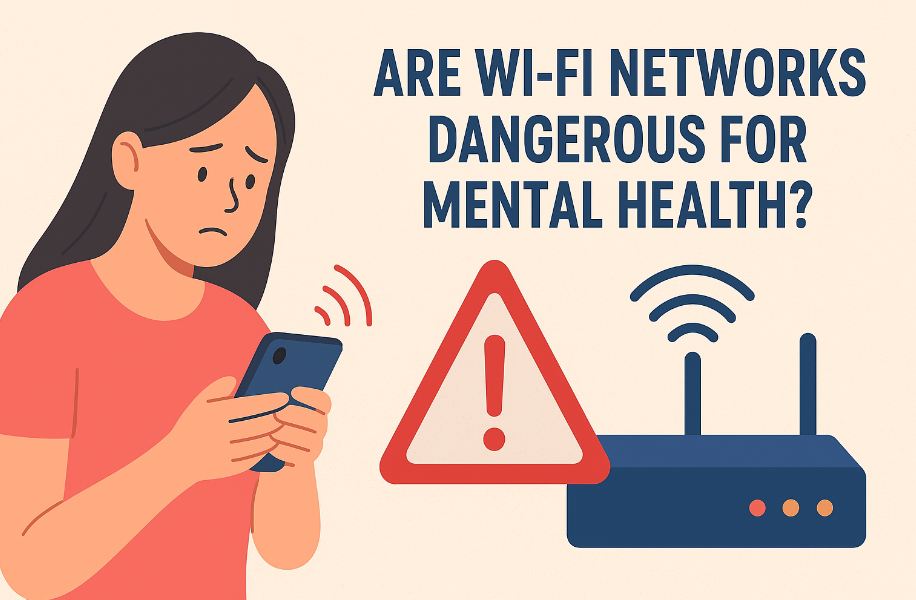
These days, we’re surrounded by Wi-Fi signals and glued to our smartphones almost 24/7. But here’s the big question: are these invisible waves affecting our mental health? Some people swear they feel anxious, tired, or unable to focus after long exposure. Others say it’s all in our heads.
The truth is somewhere in the middle. While science is still studying the long-term effects, one thing is clear: too much screen time, constant notifications, and endless connectivity definitely stress your brain. The good news? You can minimize the risks and enjoy the benefits of technology without sacrificing your mental well-being.
Let’s break it down.
Are Wi-Fi and Mobile Networks Dangerous?
Here’s what we know so far:
- Radiation levels from Wi-Fi and 4G/5G networks are considered safe by organizations like the World Health Organization.
- The real problem isn’t the signal itself—it’s how we use it. Constant exposure to phones, screens, and endless notifications can cause:
- Sleep disturbances
- Anxiety and stress
- Poor concentration
- Digital addiction
In short: the danger isn’t in the Wi-Fi router, but in how much we let technology control our daily lives.
1. Limit Screen Time Before Bed
Your phone’s blue light and constant scrolling keep your brain wired when it should be winding down.
- Switch off devices 1 hour before sleep.
- Use “Night Mode” or blue light filters in the evening.
- Try reading a book or listening to calming music instead.
👉 Benefit: Better sleep = better mental health.
2. Control Notifications and Alerts
Every ping, buzz, or vibration gives your brain a mini shot of stress.
- Turn off non-essential notifications.
- Use “Do Not Disturb” mode at night or during work hours.
- Check messages at set times instead of instantly.
👉 Benefit: Less stress and more focus.
3. Create Tech-Free Zones
Your bedroom or dining table shouldn’t feel like a Wi-Fi hotspot.
- Keep your phone out of the bedroom.
- Use an alarm clock instead of relying on your phone.
- Dedicate family meals as “no-phone zones.”
👉 Benefit: Stronger relationships and a calmer mind.
4. Practice Digital Detoxing
Take breaks from Wi-Fi and mobile networks regularly.
- Try one “offline day” per week.
- Spend more time outdoors—nature reduces stress.
- Replace screen time with exercise, hobbies, or meditation.
👉 Benefit: Your brain resets, and stress levels drop.
5. Optimize Your Wi-Fi Setup
If you’re still worried about exposure:
- Place your Wi-Fi router away from your bedroom.
- Switch it off at night if possible.
- Use wired internet for work to reduce constant wireless contact.
👉 Benefit: Peace of mind, better sleep, and reduced digital clutter.
Quick Recap Checklist
- ✅ Limit screen use before bedtime.
- ✅ Manage notifications to avoid stress.
- ✅ Create tech-free zones at home.
- ✅ Take regular digital detox breaks.
- ✅ Optimize Wi-Fi placement and usage.
FAQ: Wi-Fi, Phones, and Mental Health
Q1: Does Wi-Fi radiation cause mental health problems?
Current research says no direct harm, but overuse of digital devices affects mental health indirectly.
Q2: Is 5G more dangerous than 4G?
No. 5G is still within international safety guidelines, but people may feel anxious due to misinformation.
Q3: Can switching off Wi-Fi at night help?
Yes—it won’t cure anxiety, but it helps reduce stimulation and improves sleep quality.
Q4: What’s the safest way to use mobile phones?
Use speaker mode or earphones for long calls, keep screen time balanced, and avoid late-night scrolling.
Final Thoughts: Balance Is the Key
Wi-Fi and mobile networks themselves may not be the “invisible enemy” people fear, but the way we use them definitely impacts mental health. The key is balance: limit screen time, create boundaries, and give your brain the break it needs.
👉 Now it’s your turn: Do you feel stressed when you’re online too much? Share your experience below—and maybe challenge yourself to a 24-hour digital detox this week.
And if this helped you, send it to a friend who’s always scrolling late at night. Their brain will thank you!
Advertisements